#1 Trusted Cybersecurity News Platform
Followed by 5.20+ million
The Hacker News Logo
Subscribe – Get Latest News

Search results for point of sale scanner hack | Breaking Cybersecurity News | The Hacker News

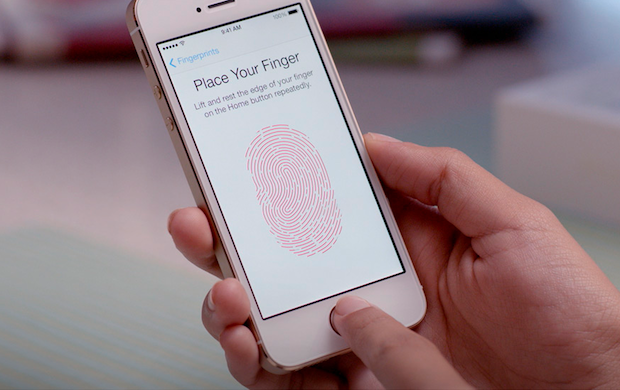
Finally, iPhone's Fingerprint Scanner 'TouchID' hacked first by German Hackers

Finally, iPhone's Fingerprint Scanner 'TouchID' hacked first by German Hackers

Sep 23, 2013
Apple has marketed TouchID both as a convenience and as a security feature. " Your fingerprint is one of the best passwords in the world ," says an Apple promotional video. A European hacker group has announced a simple, replicable method for spoofing Apple's TouchID fingerprint authentication system. The Apple TouchID it the technology developed by Apple to replace passcode on its mobile and help protect users' devices, it is based on a sensor placed under the home button and it is designed to substitute the four-digit passcode to unlock the handset and authorize iTunes Store purchases. But is it really so? Hackers members of the Chaos Computer Club claim to have defeated Apple TouchID fingerprint sensor for the iPhone 5S, just after the start of its sale to the public. " Fingerprints should not be used to secure anything. You leave them everywhere, and it is far too easy to make fake fingers out of lifted prints, " a hacker named Starbug was quoted as sa...
⚡ THN Weekly Recap: Google Secrets Stolen, Windows Hack, New Crypto Scams and More

⚡ THN Weekly Recap: Google Secrets Stolen, Windows Hack, New Crypto Scams and More

Feb 17, 2025 Cyber Threats / Cybersecurity
Welcome to this week's Cybersecurity News Recap. Discover how cyber attackers are using clever tricks like fake codes and sneaky emails to gain access to sensitive data. We cover everything from device code phishing to cloud exploits, breaking down the technical details into simple, easy-to-follow insights. ⚡ Threat of the Week Russian Threat Actors Leverage Device Code Phishing to Hack Microsoft Accounts — Microsoft and Volexity have revealed that threat actors with ties to Russia are leveraging a technique known as device code phishing to gain unauthorized access to victim accounts, and use that access to get hold of sensitive data and enable persistent access to the victim environment. At least three different Russia-linked clusters have been identified abusing the technique to date. The attacks entail sending phishing emails that masquerade as Microsoft Teams meeting invitations, which, when clicked, urge the message recipients to authenticate using a threat actor-generated dev...
Expert Insights Articles Videos
Cybersecurity Resources